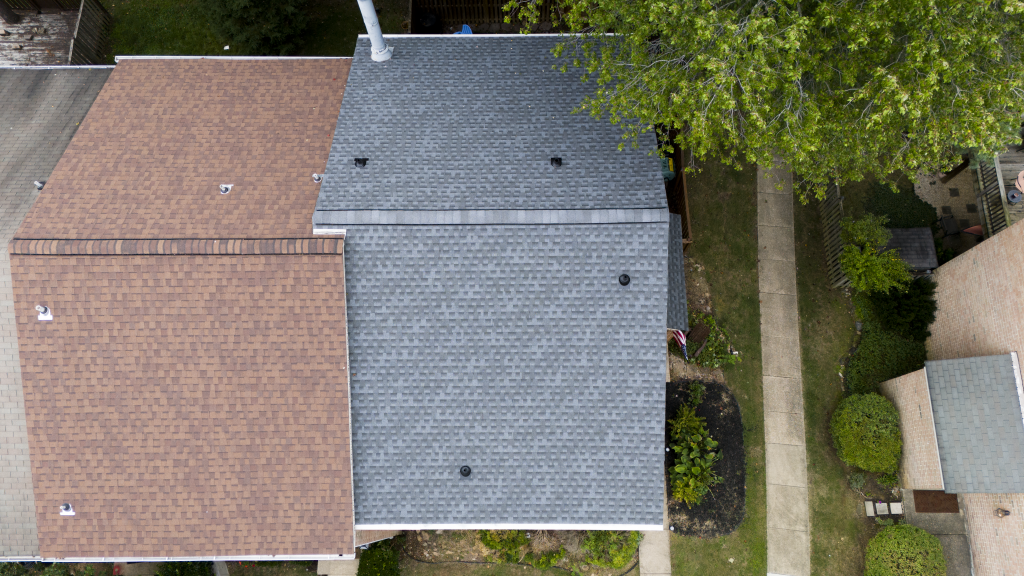
Choosing the right roofing material is crucial for ensuring the durability, efficiency, and aesthetic appeal of your home. At Chesapeake Remodeling Group, we understand that the best roofing solution depends on various factors, including the property you own and your specific needs, including budget, energy efficiency, and weatherization. We’ll explore the differences between flat and angled roofs, which significantly impact material choices, and then dive into the most popular roofing materials on the market. Whether you’re looking for durability, style, or cost-effectiveness, this guide will provide valuable insights to help you make an informed decision.
Determining What Roofing Material Your Roof Needs

Determining the right roofing material for your roof involves assessing several key factors to ensure optimal performance and longevity. First, evaluate the pitch or slope of your roof, as this will influence the suitability of different materials. Next, consider the local climate and weather conditions, which can affect the durability and efficiency of various materials. Additionally, take into account your budget, aesthetic preferences, and any specific requirements for insulation or energy efficiency. By carefully analyzing these factors, you can select a roofing material that not only meets your functional needs but also complements the overall design of your home.
Flat Roofs or Angled Roofs?
Choosing roofing materials depends significantly on whether your roof is flat or angled. Flat roofs, with minimal slope, require materials that handle water drainage effectively and resist pooling, such as modified bitumen, EPDM, TPO, or PVC. These materials are designed to be seamless or have fewer joints to prevent leaks. In contrast, angled roofs, which facilitate water runoff, can use a broader range of materials including asphalt shingles, metal roofing, clay or concrete tiles, and slate. These options vary in terms of aesthetics, durability, and energy efficiency, with the slope helping to manage water flow and reduce leak risks. Understanding these differences will guide you in selecting the best roofing material for your specific roof type.
Roofing Materials

Selecting the right roofing material is crucial for ensuring the durability, functionality, and aesthetic appeal of your home. With a wide array of roofing materials available, ranging from traditional asphalt shingles to modern metal and synthetic options, choosing the best fit for your property can be overwhelming. Each material comes with its own set of benefits, considerations, and price points, making it essential to understand your specific needs and preferences before making a decision.
Asphalt Shingle Roofs

Asphalt shingles are a popular choice for sloped roofs due to their affordability and ease of installation. They are ideal for homeowners seeking a cost-effective roofing solution with a range of style options. Offering good durability and weather resistance, asphalt shingles typically last between 15 to 30 years. However, they are less durable compared to some premium materials and can be susceptible to damage from extreme weather conditions or prolonged sun exposure. While they perform well on sloped roofs, they are not suitable for flat roofing applications. Overall, asphalt shingles provide a practical and versatile option for many residential properties.
Metal Roofs

Metal roofs are a durable and long-lasting choice, suitable for both residential and commercial properties. They are commonly used on various types of structures, including sloped and flat roofs, thanks to their ability to shed water and resist extreme weather conditions. Metal roofs can last 40 to 70 years, depending on the material and maintenance. They are highly resistant to fire, wind, and snow, making them ideal for areas with severe weather. However, metal roofs can be more expensive upfront compared to asphalt shingles and may require professional installation. Consider that metal roofs can be noisy during heavy rain or hail unless properly insulated.
Tile Roofs

Tile roofs are renowned for their longevity and distinctive appearance, making them a preferred choice for many homeowners, particularly in hot and dry climates. Constructed from materials like clay or concrete, tile roofs are ideal for sloped roofs, providing excellent durability and resistance to fire, wind, and pests. With a lifespan that can exceed 50 to 100 years, tile roofs are a long-term investment. However, their weight necessitates a strong roofing structure, and they come with a higher initial cost compared to other materials. Additionally, tiles can be prone to cracking under impact or heavy use. Despite these considerations, tile roofs offer a timeless and robust roofing solution that enhances both the durability and visual appeal of a home.
Slate Roofs

Slate roofs are known for their durability and timeless beauty, making them a premium option for upscale homes. Crafted from natural stone, slate is ideal for sloped roofs and can last over a century, offering excellent resistance to fire, water, and severe weather. However, slate roofs are heavy, require a strong support structure, and come with a higher price tag. Additionally, slate tiles can be brittle and prone to cracking under impact. Despite these factors, slate roofs provide a sophisticated and enduring choice for those seeking a high-quality roofing solution.
Wood Shingle or Shake Roofs

Wood shingles and shakes offer a natural, rustic aesthetic that enhances a home’s charm. Typically made from cedar, redwood, or pine, they are best suited for sloped roofs and provide good insulation. They are lightweight and have a lifespan of about 30 to 50 years. However, wood roofs require regular maintenance to prevent rot, mold, and insect damage. They are also less fire-resistant than other materials, which can be a significant drawback in fire-prone areas. Despite these challenges, wood shingles and shakes provide a unique and attractive roofing option for those willing to invest in their upkeep.
Flat Roofs
Choosing the right material for a flat roof involves considering factors such as durability, weather resistance, and maintenance requirements. Flat roofs are prone to pooling water, so selecting a material with excellent waterproofing properties is crucial. Key options for flat roofs include EPDM (ethylene propylene diene monomer), TPO (thermoplastic olefin), and PVC (polyvinyl chloride). EPDM is known for its flexibility and long lifespan, making it a popular choice. TPO offers energy efficiency and heat resistance, while PVC provides strong durability and resistance to chemicals. Each material has its benefits, but the best choice depends on your specific needs, climate, and budget. Proper installation and regular maintenance are essential to maximize the lifespan and performance of your flat roof.
Making the Right Choice: Trust Chesapeake Remodeling Group for Your Roofing Needs
Choosing the right roofing material is essential for ensuring your home’s protection, energy efficiency, and curb appeal. Whether you’re drawn to the affordability of asphalt shingles, the durability of metal, the classic look of tile, or the longevity of slate, each option has its distinct advantages. By evaluating your roof’s needs, local climate, and maintenance considerations, you can find the perfect material to safeguard your home. When you’re ready to make your decision, Chesapeake Remodeling Group is here to provide expert guidance and top-quality installation services. Contact us today to start your roofing project with confidence.