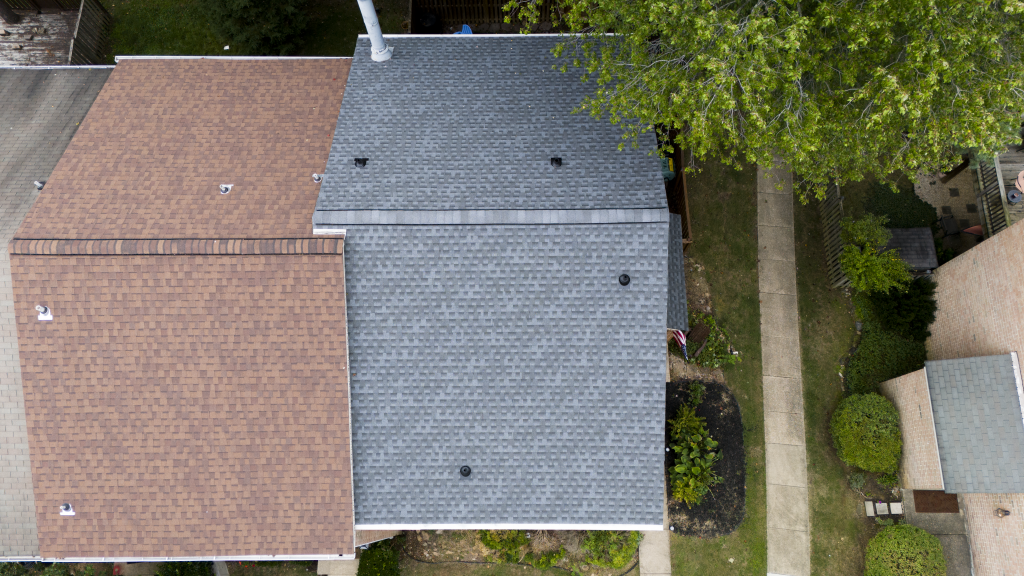
Since 2000, CRG Roofing and Siding has been the first choice for shingle roof replacement in Baltimore, Maryland and the surrounding areas. We’ve built a local reputation through our commitment to excellent workmanship, superior product selection, and customer service that puts you first. Your roof is the first line of defense for your home. Having an expert team at your disposal allows you to address roofing issues as they arise. With a shingle roof replacement in Baltimore from CRG, you can keep your property safe and dry for years to come.
We install premium products, including GAF, CertainTeed, and TAMKO shingles, so you can rest assured that the products being installed are held to the same quality standard of the installation itself.
Reach out today to get a free inspection and estimate from the CRG team.

Not sure whether or not your shingle roof in Baltimore needs to be fixed by professionals? We provide expert roof inspections free of charge to assess the health of your roofing system. Our inspectors are trained to identify even the smallest details, and they deliver a full report on what steps should be taken next for your roof. We pride ourselves on our transparent inspection and estimate process, ensuring you don’t have to worry about being upsold for services that aren’t needed.
Sometimes, the lifespan of your shingle roof can be extended through professional repair services. Replacing vulnerable shingles can help protect your roof from the elements for an extended period of time. If your roof has suffered extensive damage or is nearing the end of its lifespan, repairs may not be a viable solution.
When simple repairs cannot fully protect your roof, it may be time for a full roof replacement in Baltimore. To conduct a replacement, we assess the level of damage to your roof, and create a plan to help it stand the test of time. A replacement can include the full-scale removal and substitution of different layers of your roofing system, including the foundational decking, underlayment, moisture barrier, insulation, shingles, flashing, and vents.
We only use the best roofing materials in our projects, ensuring the quality of our workmanship is matched by industry-leading brands you can trust.
Many signs of roofing damage first occur when storms exacerbate existing issues. However, storms are also a significant culprit when it comes to wreaking havoc on roofing systems. Strong rains can flood gutters and create leaks, strong winds can peel shingles away, and fallen debris can cause substantial damage to the structural integrity of your roof.
Our storm restoration experts in Baltimore help you recover from disastrous storm damage quickly and effectively. We address the damage caused by heavy storms, and protect your roof from future damage by elevating the condition of your roof through excellent materials. Weather storm season in Baltimore with the team at CRG Remodeling.
At CRG Roofing and Siding, customers rely on us to help them reinvigorate their roofing systems. This requires attention to detail, excellent product selection, clear communication, and transparent pricing. Some of the reasons our shingle roofs standout include:

We’re proud to be roofers based in Baltimore. We work with homeowners across the city and greater central Maryland to address their roof replacement needs. Our dedicated team makes it easy to get the roofing services you need thanks to responsive roofing experts, transparent estimators, and experienced project managers.


Is your roof in need of prompt service to protect against the elementS? CRG Roofing and Siding is here to help. Reach out today to see why we’re one of the highest-reviewed roofing teams in Baltimore.
Shingle roofing is a roof covering system that uses overlapping pieces of roofing material to protect a structure from weather, wind, and water intrusion. Asphalt shingles are the most common roofing material used in residential shingle roofing across Baltimore because of their affordability and durability. Shingle roofing also includes wood shingles, synthetic shingles, composite shingles, and architectural shingles, each offering different levels of longevity and impact resistance.
The most common types of shingles in shingle roofing include three-tab asphalt shingles, architectural shingles, wood shingles, synthetic shingles, and composite shingles. Asphalt shingles dominate the roofing market with strong wind and hail resistance at affordable price points, while architectural shingles provide a thicker dimensional appearance and greater longevity. Wood shingles deliver a natural aesthetic, and synthetic and composite options mimic slate or tile without added weight on the roof deck.
A shingle roof lifespan depends on the type of roofing material, installation quality, attic ventilation, and exposure to weather. Three-tab asphalt shingles typically last 15 to 25 years, architectural shingles offer longevity of 25 to 50 years, wood shingles last 20 to 40 years, and synthetic or composite shingles may exceed 50 years. Proper ventilation, quality roofing materials, and professional installation by experienced roofers are the biggest factors affecting how long shingle roofing lasts.
Asphalt shingles consist of a fiberglass or organic mat base coated with asphalt and embedded with ceramic-coated mineral granules. The asphalt layer provides waterproofing, the fiberglass mat adds structural strength, and the granules protect against UV exposure and add impact resistance. Roofing shingle manufacturers use different formulations to meet ASTM testing standards for wind uplift, hail impact, and fire resistance.
Architectural shingles use multiple layered tabs that create a dimensional appearance on the roof, while three-tab shingles have a flat, uniform look with a single layer. Architectural shingles weigh more per square, resist higher wind speeds, and offer greater longevity than three-tab asphalt shingles. Most roofing manufacturers back architectural shingles with warranties of 30 to 50 years compared to 20 to 25 years for three-tab options.
Shingle roofing costs in Baltimore depend on roof size, pitch, the type of shingles selected, deck condition, and labor rates from local roofers. Additional factors include tear-off of existing roofing materials, attic ventilation upgrades, flashing replacement, and permit fees. CRG Roofing and Siding provides detailed estimates that break down material and labor costs for every shingle roofing project.
Common signs a shingle roof needs replacement include curling or buckling shingles, missing shingles after wind or hail storms, granule loss in gutters, daylight showing through the attic, and active roof leaks. A shingle roof past its expected longevity should be inspected by a licensed roofer even without visible damage. Deteriorated roofing shingles compromise the roof deck and lead to water intrusion and structural damage.
Weather is the primary factor that wears down shingle roofing over time. Wind lifts and tears shingles from the roof deck, hail cracks the surface, UV radiation degrades asphalt, and freeze-thaw cycles cause expansion damage. Baltimore experiences all four weather challenges, making roofing shingles with high impact resistance ratings and proper wind certifications essential for longevity.
The roof deck is the structural sheathing that shingles are fastened to during a shingle roofing installation. Roofers inspect the deck during tear-off to identify rot, water damage, or delamination before installing new roofing material. Replacing damaged deck sections prevents premature shingle failure and leaks.
Wind damages shingle roofs by lifting tab edges, breaking sealant bonds, and tearing shingles off the roof deck. Hail cracks the asphalt surface, dislodges protective granules, and bruises the fiberglass mat underneath. Both wind and hail compromise roofing shingle waterproofing and accelerate deterioration, which is why architectural shingles with higher impact resistance ratings perform better in severe weather.
Attic ventilation directly affects shingle roofing performance by regulating temperature and moisture beneath the roof deck. Inadequate ventilation traps heat that bakes asphalt shingles from below in summer, and allows moisture condensation that causes rot and ice dams in winter. A balanced ventilation system extends the longevity of a shingle roof and preserves manufacturer warranties.
Wood shingles are roofing material cut from cedar, redwood, or other rot-resistant wood species that offer a natural aesthetic and better insulation than asphalt shingles. Wood shingles require more maintenance than asphalt shingle roofing, including periodic treatment to resist moss and decay. Longevity ranges from 20 to 40 years depending on wood species, climate, and maintenance.
Synthetic shingles are engineered roofing materials that replicate the appearance of slate, wood, or tile without the weight of natural materials. Made from polymers, rubber, or recycled plastics, synthetic roofing shingles offer excellent impact resistance, weather durability, and longevity while reducing structural load on the roof deck. Synthetic shingle roofing suits homeowners who want premium roofing material appearance with lighter weight and easier installation.
Slate roof shingles are cut from natural stone and are one of the most durable roofing materials available, with longevity exceeding 75 to 100 years. Slate resists hail, wind, and fire while requiring virtually no maintenance. The main drawbacks are the weight requiring reinforced roof deck framing and the cost of specialized installation by experienced roofers, which is why synthetic shingles that mimic slate offer a lighter alternative for shingle roofing projects.
Clay and concrete roof tiles are heavier and more expensive than asphalt shingles but offer superior longevity of 50 to 100 years. Roofing tiles resist wind, hail, fire, and insect damage but require reinforced roof deck framing and higher installation costs. Asphalt shingles and architectural shingles remain more popular in Baltimore because they deliver strong weather protection at a fraction of tile roofing cost.
Metal roofing uses aluminum, steel, copper, or zinc panels and typically lasts 40 to 70 years with superior wind resistance and minimal maintenance. Shingle roofing costs less upfront and provides a wider range of aesthetic options, while metal delivers longer longevity and lower lifetime costs. CRG Roofing and Siding helps Baltimore homeowners compare shingle roofing and metal roofing based on budget, style, and performance goals.
Roofing shingle warranties from manufacturers cover defects that cause premature failure such as cracking, curling, or granule loss. Asphalt shingle warranties range from 20 to 50 years, with architectural shingles carrying longer terms than three-tab shingles. Proper installation by certified roofers and adequate attic ventilation are typically required to keep shingle roofing warranties valid.
ASTM certifications are standardized testing protocols that measure roofing shingle performance in wind uplift, impact resistance, fire resistance, and tear strength. ASTM D3462 covers asphalt shingle composition, and ASTM D7158 tests wind resistance at specific speeds. Shingle roofing products that pass ASTM standards give homeowners confidence the roofing material meets documented performance thresholds against weather, hail, and wind.
Roofers install shingle roofing by removing existing roofing materials down to the deck, inspecting the surface, then applying underlayment, drip edge, and flashing. Roofing shingles are laid in overlapping courses from the eave to the ridge, with each shingle nailed to the deck per manufacturer specifications. CRG Roofing and Siding follows manufacturer guidelines on every roof to ensure warranty compliance and long-term performance.
Sharkskin is a synthetic roofing underlayment installed between the roof deck and shingles as a secondary weather barrier. Sharkskin resists water penetration, provides a non-slip surface for roofers, and outperforms traditional felt paper in tear resistance and UV tolerance. High-quality underlayment beneath shingle roofing adds protection against leaks from wind-driven rain and ice dams.
Some building codes allow a second layer of asphalt shingles over an existing shingle roof, but most roofers recommend a complete tear-off. Layering adds weight to the roof deck, traps moisture, hides damage, and reduces the longevity of new shingle roofing. CRG Roofing and Siding recommends tear-off for Baltimore shingle roofing projects to ensure roofers can inspect the deck and install fresh underlayment for maximum roof life.
Roofing materials beneath shingles include roof deck sheathing, underlayment such as felt paper or Sharkskin, ice and water shield membrane, metal drip edge, and aluminum flashing around penetrations. Each layer serves a specific function in preventing water intrusion and protecting the deck. Proper installation of these components is essential for shingle roofing to reach full longevity.
Aluminum flashing directs water away from joints, valleys, chimneys, and vents where shingle roof leaks commonly develop. Roofers bend aluminum flashing to create waterproof transitions between roofing shingles and vertical surfaces. Without properly installed flashing, water seeps behind shingles and saturates the deck, causing structural damage.
Shingle roof leaks result from damaged or missing shingles, deteriorated flashing, cracked vent boots, ice dams from poor attic ventilation, and nail pops that lift shingle tabs. Wind and hail accelerate the deterioration that leads to leaks over time. Regular inspections by a qualified roofer catch leak sources before they cause extensive damage to the shingle roofing system and roof deck.
Choosing the right shingles starts with evaluating budget, desired appearance, longevity requirements, and weather conditions. Asphalt shingles suit most homeowners seeking affordable shingle roofing with reliable performance, while architectural shingles offer better wind resistance and curb appeal. Homeowners in hail-prone areas should prioritize roofing shingles with high impact resistance ratings, and those wanting a premium look may consider wood, synthetic, or composite options.
Impact resistance ratings for roofing shingles follow ASTM and UL 2218 testing standards, classifying shingles from Class 1 through Class 4 based on ability to withstand hail strikes. Class 4 shingles resist the highest impact level, tested by dropping a two-inch steel ball from 20 feet. Architectural shingles and composite shingles commonly achieve Class 4, and selecting high-impact shingle roofing may qualify homeowners for insurance discounts.
Roofing shingle manufacturers test durability using ASTM standards that evaluate wind uplift, tear strength, impact resistance, fire resistance, and accelerated weathering. ASTM D3462 tests asphalt shingle composition, while ASTM D7158 measures wind resistance at specific speeds. These testing protocols ensure roofing shingles meet minimum performance standards before reaching the market.
Roofing tiles are rigid pieces made from clay, concrete, or slate that interlock or overlap to cover a roof. Tiles differ from shingles in weight, cost, and longevity, typically outlasting asphalt shingles by decades but requiring reinforced roof deck framing and specialized roofers. Shingle roofing offers lighter weight, more style variety, and lower installation costs, which is why shingles remain the dominant roofing material in Baltimore.
Roof shingle color affects how much solar heat the roof absorbs and transfers into the attic. Dark roofing shingles absorb more heat and raise cooling costs, while lighter shingles reflect solar radiation and keep the attic cooler. Proper attic ventilation works alongside roof shingle color selection to regulate temperatures in shingle roofing systems.
The best shingle roofing for high-wind areas uses architectural shingles rated for 110 mph or higher with reinforced nailing patterns. Manufacturers like GAF produce shingles engineered for wind resistance meeting ASTM D7158 Class H standards. Proper installation by experienced roofers following manufacturer wind-zone specifications is equally important as the shingle product itself.
A shingle roof should be inspected twice per year and after any significant weather event involving wind or hail. Professional roofer inspections check for damaged shingles, flashing deterioration, ventilation function, and signs of leak or deck damage. CRG Roofing and Siding offers professional roof inspections for Baltimore homeowners to extend the longevity of their shingle roofing.
Composite shingles are engineered roofing materials made from polymers, recycled plastics, fiberglass, and other synthetic compounds. Composite roofing shingles replicate the appearance of slate, wood shingles, or tile while offering lighter weight, better impact resistance, and lower maintenance. Composite shingle roofing provides a middle ground between the affordability of asphalt shingles and the premium appearance of natural roofing material.
Shingle roofing performs well in Baltimore when the correct roofing materials and installation methods are used. Baltimore experiences hot summers, cold winters with freeze-thaw cycles, and seasonal storms bringing wind and hail. CRG Roofing and Siding selects shingle roofing products suited to Baltimore weather and installs every roof with ventilation and flashing details designed for the local climate.
Before starting a shingle roofing project, ask the roofer about licensing, the specific roofing materials being used, warranty coverage from both the manufacturer and installer, and whether they inspect the roof deck during tear-off. Ask about nailing specifications and attic ventilation improvements. Understanding these details ensures the shingle roofing project meets quality standards and protects your investment.
 Call Today