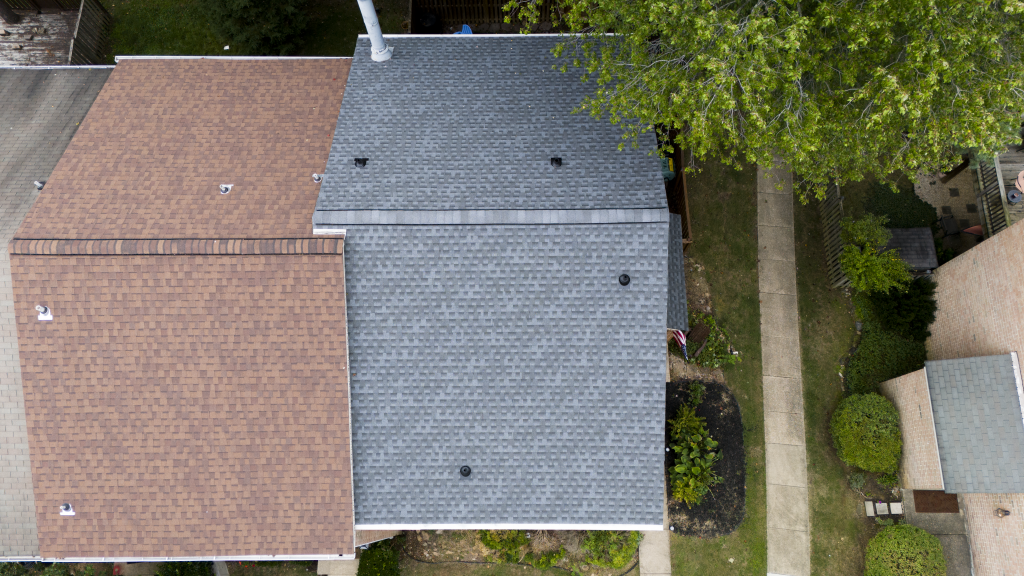
At CRG Roofing and Siding, we understand that the right solution can’t be applied without properly assessing the problem firsthand. We’re not interested in guesswork or wasting your time with quick fixes. That’s why we provide free Baltimore roof inspections to residential and commercial properties alike. Reach out today to schedule your free assessment.


Our veteran roofing team comes out to your property to complete a comprehensive inspection of the health of your roofing system. We look for obvious signs of damage, but also a detailed look at all of the little issues that can quickly compound into larger problems. Our Baltimore roof inspection team believes in the value of proactive measures to protect your property. If we can identify issues in their early stages, there are more preventative and affordable solutions to repair your roofing system.
Deciding when is the right time to get a roof inspection can depend on a few different factors. For older roofs, scheduling annual roof inspections can help you catch damage and problem spots early. Think of it as a sort of checkup for your roof. There are other scenarios where you might want a prompt roof inspection, including:
Regardless of when you decide to have your roofing inspection conducted, it’s important to ensure it’s completed by a qualified roofing professional.

At CRG Roofing and siding, we bring over two decades of industry experience to any inspection we complete. All of our inspectors are veteran roofers who have seen every kind of situation a roof can present during inspection. With the right eye and expertise, we can efficiently identify issues your roof may be experiencing. Check out below why we’re one of the most trusted roof inspection teams in Baltimore.
A roof inspection should be a thorough process, able to catch details both small and large. When we conduct a Baltimore roof inspection, we complete an efficient analysis that captures all of the important details without sacrificing your whole afternoon. Some of the key areas we look at include:
Shingles: Are shingles peeling, worn, cracked, or otherwise damaged?
Flat Roof Coating: If you own a flat roof, then we inspect for cracks, bubbling, and sitting water, among other key signs.
Slate Shingles: Are slate pieces cracked, chipped, or absent from the roof surface?
Flashing: Is your flashing dented, peeling, corroded, or pulling apart from the surface of your roof?
Chimneys: Are there gaps in the caulking at the base or along the surface? Is the chimney leaning?
Vents: Are vents clogged, misplaced, or otherwise not releasing air?
Gutters: Are gutters improperly draining, or pulling apart from your roofing surface?
Attic Space: Your attic space will be checked for signs of moisture entry, such as mold growth, wood discoloration or softness, and stained insulation.
By carefully analyzing each of these components of your roofing system, we can build a clear picture of what solutions are needed and the timeline in which urgent repairs need to be addressed.
As experienced roofing professionals, we come equipped with the tools necessary to fully survey your property. Some methods we utilize include:

When it comes to roofing issues, time is of the essence. When you notice a problem, or your roof is older in age, get professional inspectors out as soon as possible. For over 20 years, the CRG Roofing and Siding team has helped Baltimore residents protect their properties with proactive inspection solutions. Reach out today to get started.
Roof inspections are thorough evaluations of your entire roofing system performed by a certified inspector who checks for structural damage, material deterioration, and potential leak points. A professional roof inspection covers everything from shingles and flashing to gutters, vents, and the underlying decking. Homeowners in Baltimore need regular roof inspections because weather exposure and hidden moisture damage can compromise a roof long before visible problems appear. At CRG Roofing and Siding, we conduct detailed inspections that give you a clear picture of your roof's condition.
Homeowners in Baltimore should schedule roof inspections at least twice a year — once in spring after winter weather and again in fall before snow and ice arrive. Maryland's climate brings heavy rain, high winds, and freezing temperatures that accelerate roof wear. You should also schedule an inspection after any major storm that brings hail or sustained high winds. CRG Roofing and Siding recommends biannual roof inspections as part of a proactive maintenance plan.
A professional roof inspection checklist covers every component of your roofing system from the exterior surface through the interior structure. Our inspectors examine shingles for cracks, curling, and missing pieces, then check flashing around chimneys, skylights, and vents for gaps or corrosion. The checklist also includes gutters and downspouts, soffit and fascia condition, attic ventilation, and signs of moisture or mold. A thorough roof inspection checklist ensures nothing gets overlooked.
Roof inspections focus exclusively on your roofing system with far more depth than a general home inspection provides. Home inspectors evaluate the entire property — electrical, plumbing, foundation, and roofs — but their roof assessment is typically a visual overview from the ground. A dedicated roof inspector walks the entire surface, examines every penetration point, checks attic conditions, and may use thermal imaging to detect hidden moisture. Home inspections give a broad overview, while roof inspections deliver the detailed analysis needed for repair and warranty decisions.
Professional roof inspections are specifically designed to find hidden leak damage that homeowners cannot see from the ground. An experienced inspector checks for water stains in the attic, soft spots in the decking, and discoloration around flashing that signals active or past leaks. Many leak sources hide beneath intact-looking shingles where damaged underlayment allows moisture to penetrate slowly. Early leak detection during a roof inspection prevents mold growth, structural rot, and expensive insurance claims.
Thermal imaging uses infrared cameras to detect temperature variations across your roof surface, revealing trapped moisture and insulation failures invisible to the naked eye. During a roof inspection, thermal imaging highlights areas where water has infiltrated beneath shingles by showing cooler spots where evaporation is occurring. This technology is especially valuable for flat and low-slope roofs where ponding water seeps in without obvious exterior damage. Thermal imaging makes roof inspections faster and more accurate by pinpointing exact problem areas without invasive testing.
A roof inspection before buying or selling a home protects both parties by establishing the true condition and remaining lifespan of the roofing system. Buyers benefit because a detailed inspection report reveals hidden problems that a home inspection might miss, giving leverage for price negotiations. Sellers benefit because a clean roof inspection report or roof certification builds buyer confidence and speeds up closing. Realtors in Baltimore regularly recommend independent roof inspections because the roof is one of the most expensive components of any home.
A roof certification is a formal document issued by a licensed roofing contractor that certifies the roof is in good condition and estimates its remaining useful life, typically for two to five years. A standard roof inspection evaluates current condition, while a roof certification puts the contractor's professional reputation behind a guarantee of performance. Roof certifications are commonly required during real estate transactions, insurance applications, and warranty transfers. CRG Roofing and Siding provides both roof inspections and roof certifications to homeowners across Baltimore.
The NRCIA — National Roof Certification and Inspection Association — sets standards, training requirements, and ethical guidelines for the roof inspection industry. An inspector certified by the NRCIA has completed rigorous training in roofing systems, inspection methodology, and report documentation. Hiring an NRCIA-certified inspector for your roof inspections ensures a standardized, unbiased evaluation performed according to industry best practices. NRCIA certification is one of the strongest indicators of inspector competency in Maryland.
Roof inspections provide the documented evidence that insurance companies require when processing claims for storm damage, leak repairs, or roof replacement. A professional inspection report with photographs and a detailed damage assessment strengthens your claim by proving the damage exists and identifying its cause. Many home insurance companies require periodic roof inspections to maintain coverage on older roofs, and some offer premium discounts for homes with recent reports showing good condition. Filing a claim without a professional roof inspection often results in underpayment or denial.
Snow and Maryland's freeze-thaw cycles create serious roofing problems including ice dams that force meltwater under shingles, weight stress on structural decking, and cracked flashing around chimneys and skylights. Heavy snow accumulation can collapse gutters and pull them away from the fascia board, creating drainage problems. Wind-driven rain penetrates gaps in aging roofing material that looked fine during dry conditions. Regular roof inspections before and after winter help Baltimore homeowners catch weather-related damage early.
Skylights and gutters are critical components that every thorough roof inspection must include. Inspectors examine skylight frames, seals, and surrounding flashing for cracks, condensation, and separation that cause leaks. Gutters are checked for proper pitch, secure attachment, blockages, and adequate drainage capacity. Neglected gutters cause water to back up under the roof edge, rotting fascia boards and allowing moisture into the attic. A comprehensive roof inspection treats skylights and gutters as integral parts of the roofing system.
Regular roof inspections help protect your roof warranty by documenting that you have met the manufacturer's required maintenance obligations. Most roofing warranties include clauses that void coverage if the homeowner fails to perform routine inspections and address minor issues promptly. An inspection report showing consistent maintenance creates a paper trail that supports warranty claims if a defect occurs. CRG Roofing and Siding provides detailed inspection documentation that satisfies warranty requirements.
Metal roofs, flat roofs, slate, tile, and roofs with complex architectural features require specialized inspection knowledge beyond standard asphalt shingle assessments. A metal roof inspection focuses on fastener integrity, seam condition, and panel expansion issues that standard inspectors may not understand. Flat and low-slope roofs demand expertise in membrane systems, drainage patterns, and ponding water evaluation. Always confirm your inspector has experience with your specific roof type before scheduling a roof inspection.
Regular roof maintenance guided by periodic roof inspections addresses small problems like cracked caulk, loose flashing, and clogged gutters before they become structural failures. Maintenance tasks such as clearing debris, replacing damaged shingles, and ensuring proper attic ventilation extend the lifespan of your roofing system by years. A roof inspection identifies which maintenance items need attention and prioritizes them by urgency. CRG Roofing and Siding offers inspection and maintenance programs in Baltimore that help you avoid unexpected replacement costs.
 Call Today